You’ve tried to quit before. Maybe several times.
Patches, gum, willpower, cold turkey. Each attempt eventually failing when stress hit, or social situations arose, or the cravings simply won.
Smoking is notoriously hard to quit. The nicotine is genuinely addictive. But the habit runs deeper than nicotine — it’s psychological, social, and embedded in daily routines.
Hypnosis has one of the strongest evidence bases for smoking cessation. It addresses the psychological layer that nicotine replacement can’t reach.
Why smoking is so hard to quit
Smoking is kept in place by multiple factors:
Nicotine addiction. Chemical dependency creates withdrawal symptoms and cravings. This is real biology.
Behavioural patterns. Smoking after meals. Smoking with coffee. Smoking when stressed. Smoking on breaks. The habit is woven into daily life.
Psychological associations. Cigarettes become linked to emotional states — relaxation, reward, comfort, rebellion. These associations are unconscious and powerful.
Identity. For long-term smokers, “being a smoker” is part of self-concept. Quitting means becoming someone different.
Social factors. Smoking breaks create connection. Smoker friends normalise the behaviour. Quitting means changing social dynamics.
Addressing nicotine alone misses most of this. Hypnosis targets the psychological and behavioural layers.
What research shows
Hypnosis for smoking cessation has been studied extensively:
- Meta-analyses find hypnosis produces higher quit rates than willpower alone
- Some studies show hypnosis comparable to or exceeding nicotine replacement
- Combined approaches (hypnosis plus other methods) often outperform single methods
- Effects appear to last — hypnosis isn’t just temporary
The mechanism is understood: hypnosis accesses unconscious associations and patterns, rewiring the psychological foundations that keep smoking in place.
Not everyone responds equally. Some people are more hypnotically responsive than others. But for those who engage with the process, hypnosis is among the more effective approaches.
How hypnosis attacks the smoking habit
Hypnosis works on multiple dimensions:
Changing the desirability of cigarettes
In hypnosis, cigarettes can become associated with disgust rather than pleasure. The smell becomes unpleasant. The taste repulsive. The idea of smoking creates aversion.
This isn’t fighting cravings — it’s eliminating them by changing what you crave.
Breaking automatic triggers
The associations between triggers and smoking can be interrupted:
- After meals → something else happens
- Stress → different response triggers
- Coffee time → no longer linked to cigarettes
Each broken link weakens the automatic pattern.
Installing new responses
The gap left by smoking needs filling. Hypnosis can install new automatic responses:
- Stress triggers deep breathing
- After meals you walk briefly
- Coffee time involves reading
These new responses become automatic through repeated hypnotic rehearsal.
Shifting identity
Perhaps most powerfully, hypnosis can help you experience yourself as a non-smoker.
Not “trying to quit” — which still identifies as a smoker fighting the habit. But actually being someone who doesn’t smoke.
This identity shift changes decision-making at the root. A non-smoker doesn’t struggle with temptation — smoking simply isn’t what they do.
Addressing underlying needs
Smoking often serves psychological needs — stress relief, breaks, reward. These needs remain after quitting.
Hypnosis can help identify and address what smoking was providing, finding healthier ways to meet those needs.
What AI hypnosis adds
AI personalisation makes smoking cessation content directly relevant:
Your specific triggers. When do you smoke? The AI creates content addressing your actual patterns.
Your history. What happened in previous quit attempts? The sessions address what went wrong before.
Your reasons. What motivates you to quit? Health, family, money, freedom? The suggestions connect to your actual motivations.
Your concerns. What do you fear about quitting? Weight gain? Stress? The sessions address your specific worries.
This specificity matters. Generic “quit smoking” content doesn’t know your relationship with cigarettes. AI hypnosis learns it.
A realistic quit smoking protocol
Using AI hypnosis effectively for smoking cessation:
Preparation phase (week 1):
- Sessions focused on motivation and readiness
- Exploring your smoking patterns and triggers
- Building the mental image of yourself as a non-smoker
- You’re still smoking, but preparing
Quit phase (weeks 2-3):
- Daily sessions through initial quit period
- Intense work on aversion and trigger interruption
- Strong identity reinforcement as non-smoker
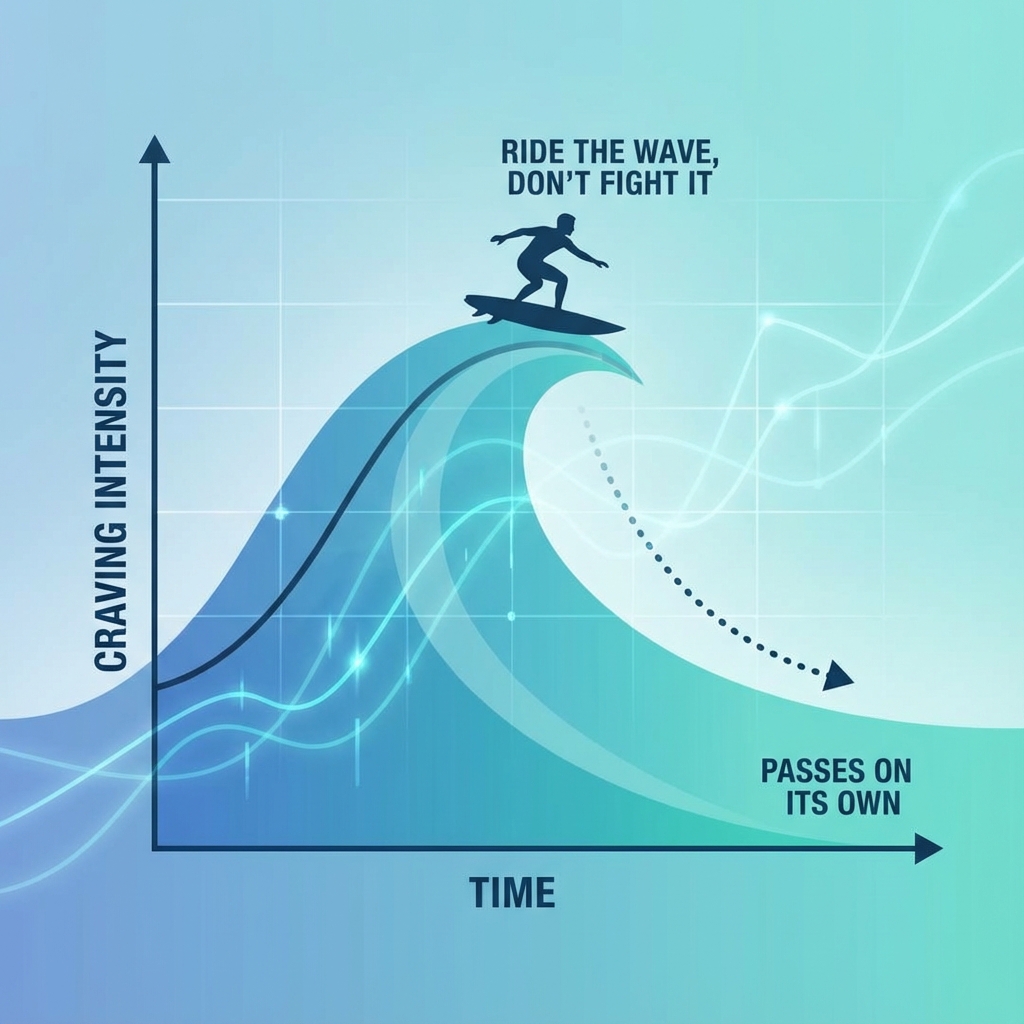
- Addressing cravings as they arise
Maintenance phase (month 2+):
- Regular sessions to reinforce new patterns
- Addressing challenges as they emerge
- Strengthening the non-smoker identity
- Preparing for high-risk situations
This isn’t a single session fix. Serious transformation requires sustained work.
What to expect
Realistic expectations help:
First sessions: You might feel motivated and hopeful. The idea of quitting feels more possible.
Quit day itself: Some reduction in craving intensity. The automatic reaching for cigarettes somewhat interrupted.
First week: Cravings still present but often less intense. More moments of “I’m actually not smoking.”
First month: Significant patterns changing. Starting to feel like a non-smoker. Some difficult moments still.
Months 2-6: Consolidation. Non-smoker identity becoming normal. Occasional temptation, usually manageable.
Long-term: Stable non-smoker status. Cigarettes increasingly foreign to who you are.
This is a typical positive trajectory. Individual variation exists.
Combining with other approaches
Hypnosis works well alongside:
Nicotine replacement. Patches, gum, or medication handle the chemical withdrawal. Hypnosis handles the psychological. Together they’re stronger.
Support groups. Accountability and shared experience help. Hypnosis is private work; groups add social support.
Healthcare provider support. Medical guidance on cessation approaches. Hypnosis as one component.
Behavioural strategies. Avoiding trigger situations, changing routines, removing cues. Practical alongside psychological.
The most successful quit attempts often combine multiple approaches.
When hypnosis isn’t enough
If you’ve tried hypnosis consistently and it hasn’t worked:
- Consider adding nicotine replacement or medication
- Evaluate whether you’re truly ready to quit
- Check for underlying conditions (depression, anxiety) that might need treatment
- Consider working with a cessation specialist
Hypnosis is powerful but not universal. Different people respond to different approaches.
The cost of not quitting
It’s worth acknowledging what’s at stake:
Health. Smoking is among the most damaging things you can do to yourself. The risk reduction from quitting is substantial and begins immediately.
Money. The direct costs are significant. Over years and decades, enormous.
Time. Years of life lost on average for continued smokers.
Quality of life. Breathing, energy, taste, smell, physical capacity — all impaired by smoking.
The investment in quit attempts, including hypnosis practice, is trivial compared to these costs.
The bottom line
Hypnosis works for smoking cessation. The evidence supports it. The mechanism makes sense.
AI hypnosis makes it personalised — your triggers, your patterns, your motivations.
It’s not magic. It requires:
- Genuine motivation to quit
- Consistent practice over weeks
- Engagement with the process
- Combining with other approaches when needed
But for many people, it’s the approach that finally works. The one that addresses what willpower alone cannot reach.
If previous attempts have failed, this is worth trying. The psychological layer matters, and hypnosis accesses it directly.
Ready to finally quit? Get started with two free sessions per day — begin the psychological work that makes quitting possible.